


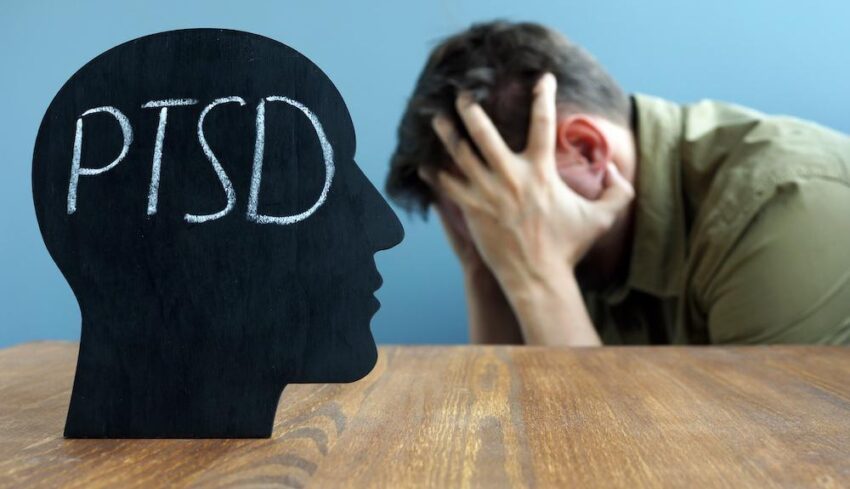
PTSD
Post-Traumatic Stress Disorder (PTSD) is more than just a memory of a difficult event; it is a physical and neurological state where the “alarm system” of the brain remains stuck in the “on” position. At our Southfield clinic, we provide the clinical expertise and high-end sanctuary needed to help you or your child process trauma and regain a sense of safety in the present.
How PTSD Manifests in the Body and Mind
Trauma leaves a biological footprint. We look at the full spectrum of how PTSD affects your daily life, categorizing symptoms into three primary areas:
Hyper-Vigilance: Constantly scanning your surroundings for threats, making it impossible to truly relax, even in safe environments.
Exaggerated Startle Response: Jumping or feeling a "jolt" of adrenaline at loud noises or unexpected movements.
Sleep Disturbances: Chronic insomnia or vivid nightmares that replay the trauma, leaving you physically exhausted.
Flashbacks: Intrusive, vivid memories that make you feel as though the traumatic event is happening again in real-time.
Avoidance: Staying away from places, people, or activities that serve as reminders of the trauma, which can eventually "shrink" your world.
Our Targeted Treatment Approach
Comprehensive Evaluation
Medication Management
Ongoing Supportive Care

Why Choose Us
Our goal is to provide you with the clinical tools and biological support needed to regain control. At our clinic, we treat PTSD as a physiological injury that requires a specialized, precision-based approach to heal.
Expert Medication Management
Psychotherapy & Cognitive Support
Child & Adolescent Support (Ages 6+)
Safe and Secure Environment

Frequently asked questions
(01) Is PTSD only for combat veterans?
No. PTSD can result from any event that the brain perceives as life-threatening or deeply overwhelming, including car accidents, medical trauma, natural disasters, or personal loss.
(02) What is the difference between trauma and PTSD?
Trauma is the event or experience itself. PTSD is the clinical condition that develops when the brain and body are unable to move past that experience, leaving the nervous system in a constant state of "emergency." Not everyone who experiences trauma develops PTSD, but for those who do, professional support is often necessary to reset the body's alarm system.
(03) How do I know if I have PTSD or just a bad memory?
A "bad memory" is something you think about occasionally but can eventually put away. PTSD involves intrusive symptoms—flashbacks or nightmares—that make you feel like the event is happening again now. If your memories are accompanied by physical panic, avoidance of certain places, or a constant feeling of being "on edge," it may be PTSD.
(04) How does medication help with PTSD?
While medication doesn't "cure" trauma, it is a vital tool for managing the biological symptoms that make recovery difficult. We use Expert Medication Management to help stabilize sleep, reduce the intensity of flashbacks, and lower the physical hyper-vigilance that keeps you exhausted. This creates the mental "breathing room" needed for effective therapy.