


Mood Disorders

mood-disorder-1170x780

Mood Disorders: Restoring Emotional Vitality

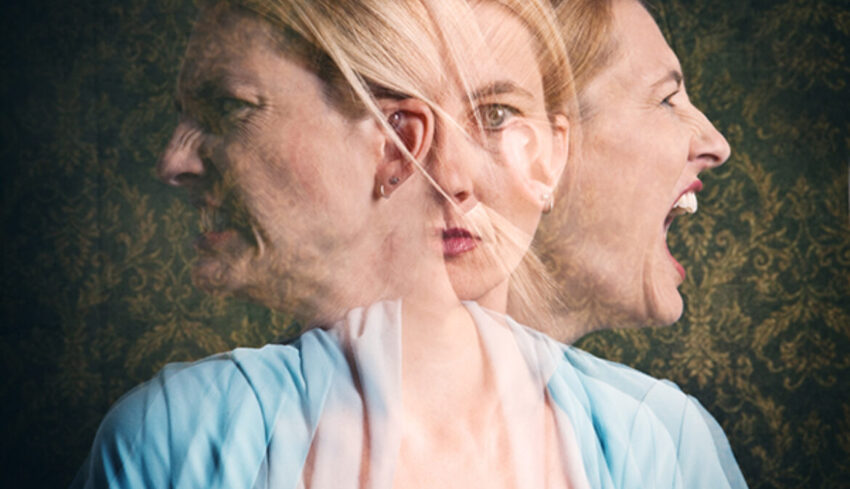
A mood disorder is more than just feeling “up” or “down.” It is a persistent emotional state that distorts your overall frame of mind, making it difficult to function at work, school, or in your personal relationships. At our Southfield clinic, we provide a specialized sanctuary for patients ages 6 and older to find the clinical support and biological stability needed to live a balanced life.

Understanding the Mood Spectrum

Mood disorders encompass a wide range of conditions characterized by emotional extremes. We specialize in the diagnosis and treatment of the entire spectrum, including:

Major Depressive Disorder (MDD): Persistent feelings of sadness, hopelessness, and a loss of interest in once-enjoyed activities.
Bipolar Disorder (I & II): Significant shifts in mood, energy, and activity levels, ranging from manic "highs" to depressive "lows."
Cyclothymic Disorder: A milder, but more chronic, form of bipolar disorder involving frequent mood swings.
Disruptive Mood Dysregulation Disorder (DMDD): Typically diagnosed in children (ages 6+), involving chronic, severe irritability and frequent temper outbursts.

Our Targeted Treatment Approach

We don’t just treat the symptoms; we empower the person. Our multimodal approach ensures that patients have both the biological support and the behavioral tools they need to thrive.

Comprehensive Evaluation
Medication Management
Behavioral Sleep Support
Ongoing Supportive Care
sv-dt2

Why Choose Us

We don’t believe in “masking” symptoms. Our goal is to provide you with the clinical tools and biological support needed to regain control. At our Southfield clinic, we treat Mood Disorders as a neurochemical imbalance that requires a specialized, precision-based approach.

Expert Medication Management
Psychotherapy & Cognitive Support
Child & Adolescent Support (Ages 6+)
Safe and Secure Environment
sv-dt3

How Mood Disorders Impact the Body and Mind

When your mood is unregulated, your entire nervous system is affected. We help you identify these symptoms across three primary dimensions:

Sleep Disturbances: Insomnia or hypersomnia (oversleeping) that leaves the body physically unrecovered.
Energy Fluctuations: Periods of intense, restless energy followed by deep, crushing fatigue.
Appetite Changes: Significant weight loss or gain driven by emotional eating or a total loss of interest in food.
Chronic Pain: Unexplained headaches, back pain, or digestive issues that often accompany emotional distress.
Difficulty Concentrating: A struggle to focus on tasks, follow conversations, or make simple daily decisions.

Frequently asked questions

(01) What is the most common mood disorder?
The most frequently diagnosed mood disorders are Major Depressive Disorder and Bipolar Disorder. However, many patients suffer from "Subclinical" mood issues or Persistent Depressive Disorder, where they feel "okay" but never truly happy or energized. Our Comprehensive Mental Health Evaluation helps pinpoint exactly where you fall on the spectrum.
(02) Can a mood disorder be caused by a physical illness?
Yes. Certain medical conditions, such as thyroid imbalances, vitamin deficiencies, or chronic pain, can mimic or worsen mood disorders. Part of our specialized approach includes looking at your physical health to ensure we are treating the root cause of your emotional shifts.
(03) Do I have to do therapy and medication at the same time?
While each can be effective on its own, research consistently shows that a "multimodal" approach—combining medication to stabilize neurochemistry and therapy to build coping skills—yields the best long-term results. We tailor this balance to your specific needs and preferences.

Request An Appointment Today